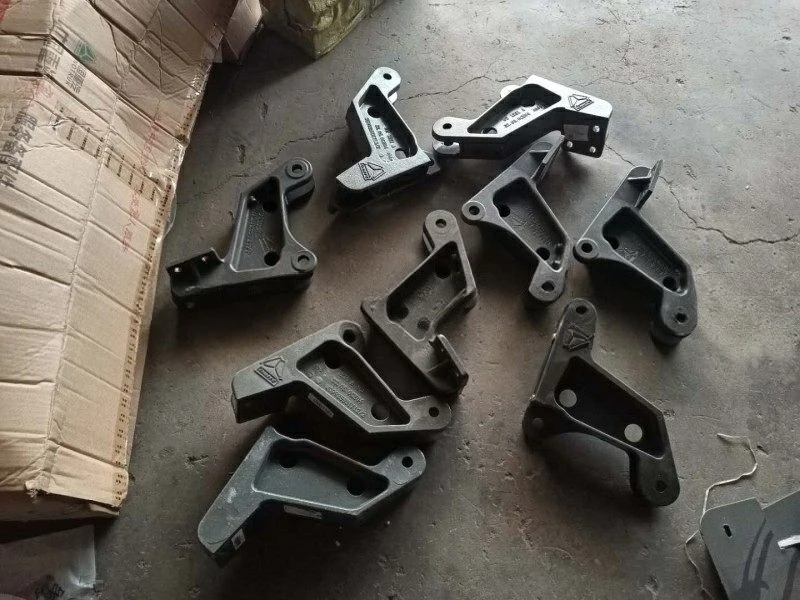
Vehicle parts are core components in the automotive manufacturing and repair field, ensuring the integrity and functionality of vehicles. They encompass parts for key modules such as the engine, chassis, body, and electrical systems. The compatibility, specifications, and production processes of these parts directly affect vehicle performance and safety. Taking Ankai buses as an example, its vehicle parts are based on original equipment manufacturer (OEM) parts. By strictly adhering to OEM design parameters and manufacturing processes, it ensures precise matching between parts and other vehicle components, thereby maintaining the stability and reliability of the entire vehicle.
The design logic of OEM parts is based on the technical specifications from the initial vehicle development stage. For example, material selection must meet requirements for durability and corrosion resistance, and dimensional tolerances must be controlled within micrometers to avoid assembly errors. Ankai buses utilize customized molds and automated production lines in their vehicle parts production process. For instance, body panels are formed using high-precision stamping processes, and electrical system components undergo electromagnetic compatibility testing to ensure stable operation under complex road conditions. This production model, combining standardization and customization, guarantees the basic quality of parts while meeting the personalized needs of different vehicle models.