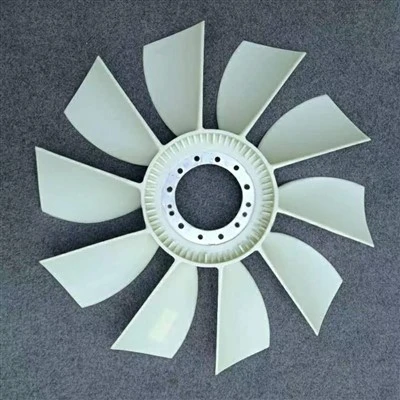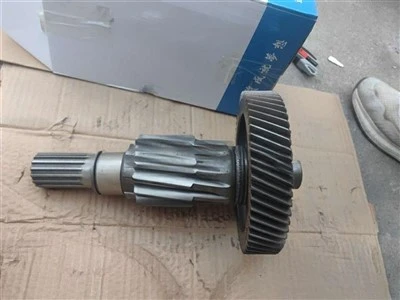
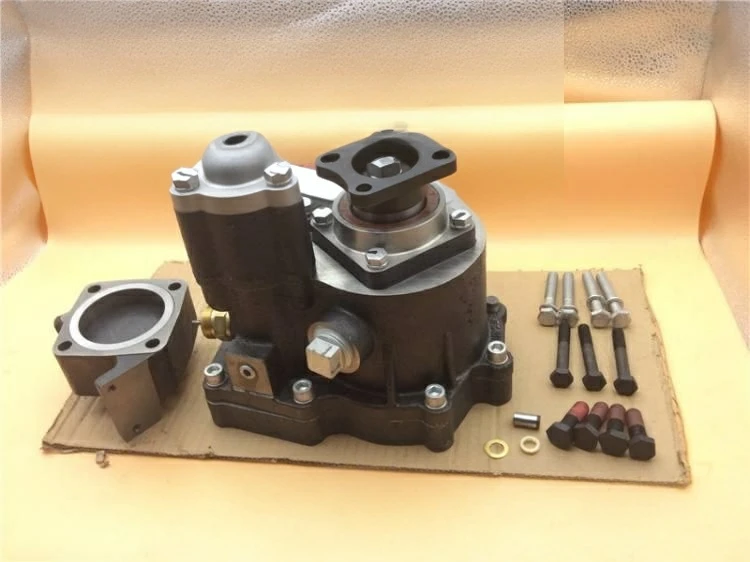
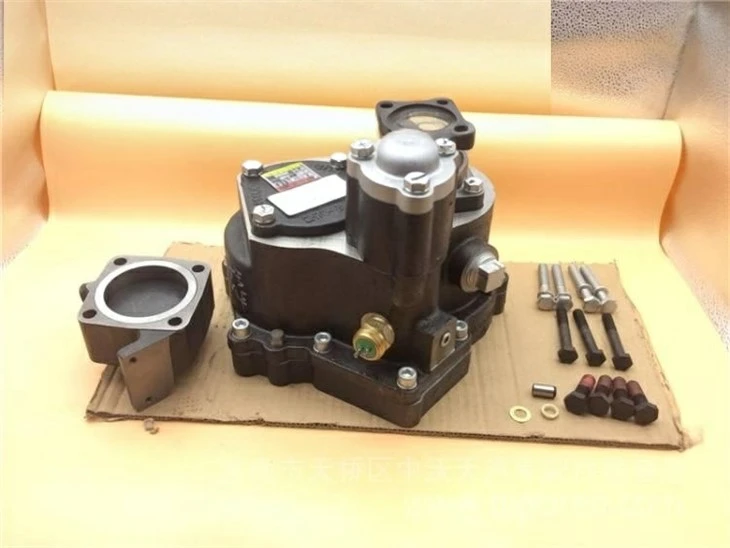


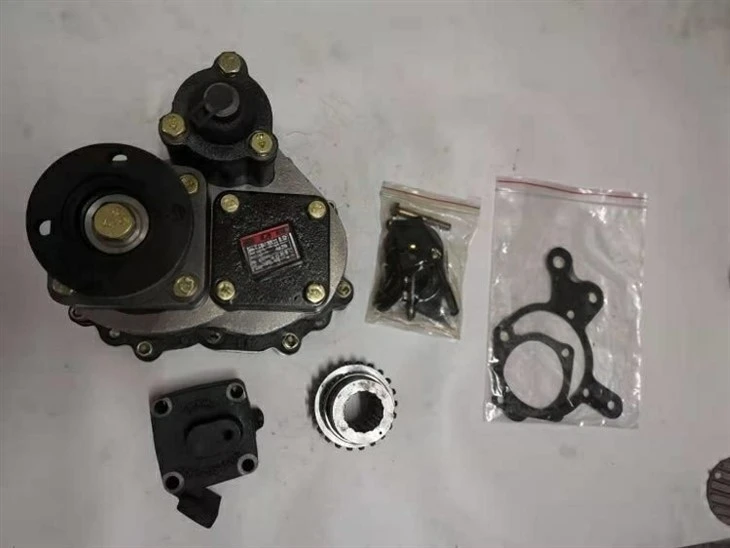
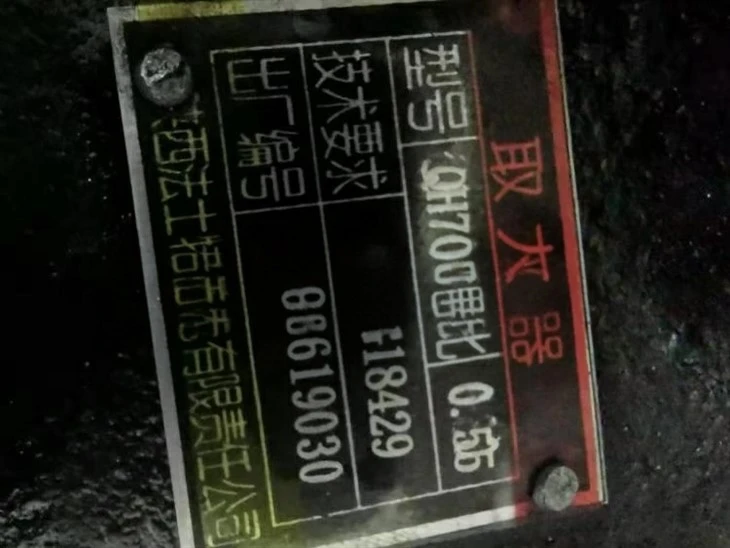
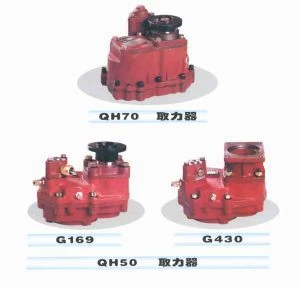
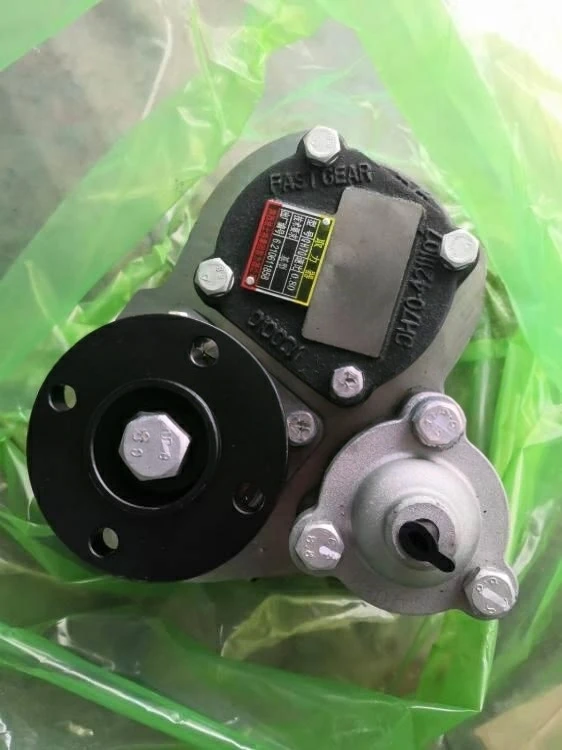
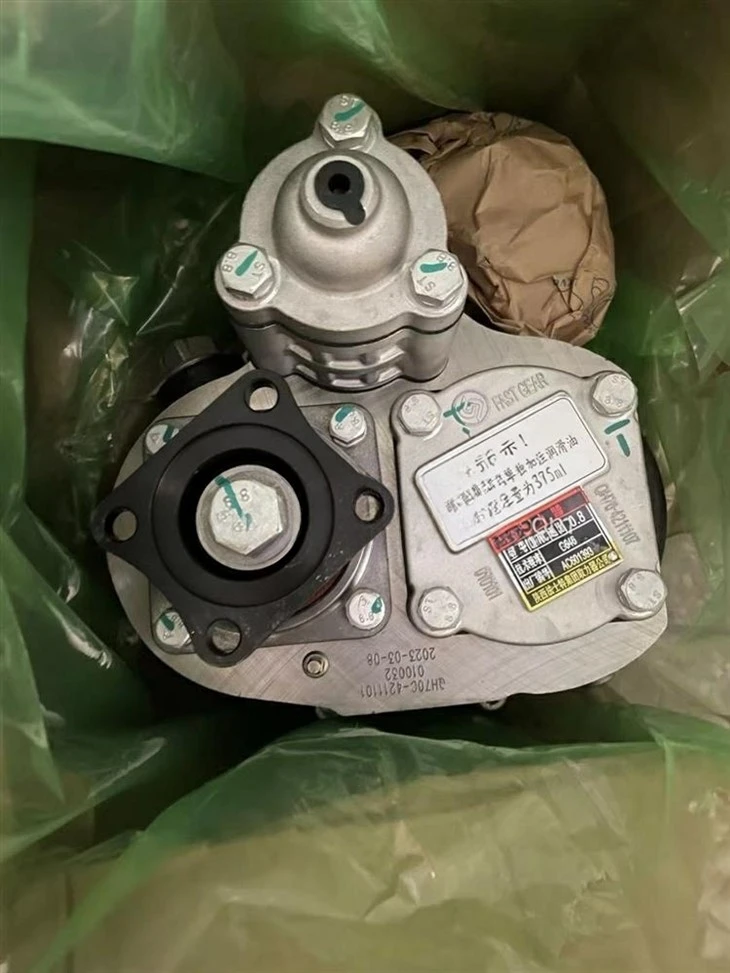
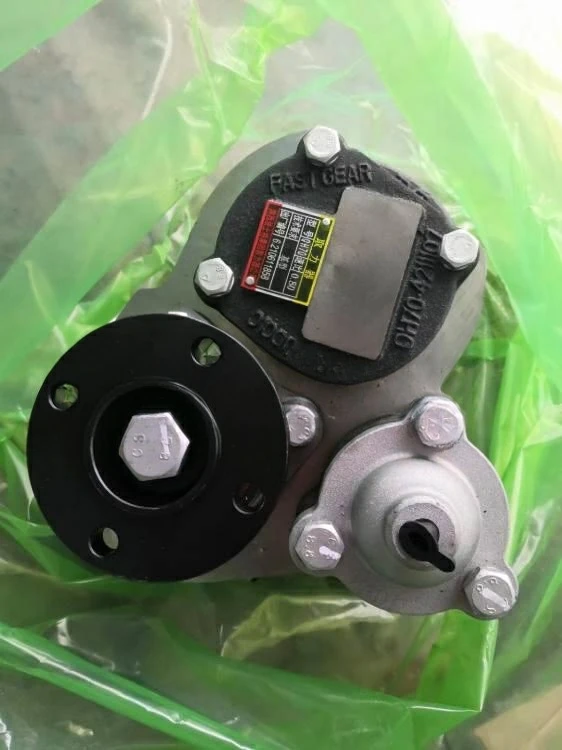
PTO power takeoff QH70C/(G646)
PTO power takeoff QH70C/(G646)
PTO power takeoff QH70C/(G646)
The power is usually extracted from the hollow shaft of the power take-off device, which extends from the transmission. It is transmitted to the input gear through the meshing gear set, and then to the output gear shaft and output flange, thereby providing power to the external working devices. For example, in a water sprinkler truck, the power take-off device is driven by the engine to drive the transmission, and then the power take-off device on the transmission is driven by the transmission through the transmission shaft to drive the water pump, allowing the liquid in the tank to be sprayed out through the pipeline network.
The working principle of the power transfer device is not limited to this. Some power transfer devices are connected to the low gear of the gearbox or the output shaft of the auxiliary box, and can transmit power to external working devices, such as the lifting pump.


The application scope of the power take-off device is extensive. It is not only used in dump trucks but also in special vehicles. In China, most power take-off devices are used in dump trucks and have relatively simple requirements. However, in Europe and the United States, due to the higher requirements for special vehicles, the design of power take-off devices is more complex. They may have multiple output ports or be equipped with clutches.
Depending on the control method, the power take-off device has various operating modes such as mechanical, hydraulic, pneumatic, vacuum source, and electric control. Among them, pneumatic control is the most common.
According to the different forms of power output, the power take-off device is usually divided into power output forms from the side, front, and rear of the transmission, as well as power output form from the front of the engine.
The physical characteristics of the engine determine the existence of the gearbox. Firstly, any engine has its peak rotational speed; secondly, the maximum power and maximum torque of the engine occur at a certain rotational speed range. For example, the maximum power of the engine occurs at 5500 rpm. The gearbox can generate different gear ratios between the engine and the wheels during the vehicle's operation, and shifting gears can make the engine work in its optimal power performance state. Ideally, the gearbox should have flexible gear ratios. Continuously Variable Transmission (CVT) has this characteristic and can better exert the power performance of the engine.


The power is usually extracted from the hollow shaft of the power take-off device, which extends from the transmission. It is transmitted to the input gear through the meshing gear set, and then to the output gear shaft and output flange, thereby providing power to the external working devices. For example, in a water sprinkler truck, the power take-off device is driven by the engine to drive the transmission, and then the power take-off device on the transmission is driven by the transmission through the transmission shaft to drive the water pump, allowing the liquid in the tank to be sprayed out through the pipeline network.
The working principle of the power transfer device is not limited to this. Some power transfer devices are connected to the low gear of the gearbox or the output shaft of the auxiliary box, and can transmit power to external working devices, such as the lifting pump.
Some of the power take-off devices use compressed air as the power source. The compressed air from the vehicle's air reservoir is divided into two paths. One path enters the air filter regulator of the transmission to provide working air pressure for the transmission, enabling the shift of the auxiliary gearbox synchronizer between high and low gears; the other path enters the intake port of the power take-off electromagnetic valve. When the electromagnetic valve switch of the power take-off is opened, the compressed air enters the working cylinder and the air cylinder of the neutral position of the auxiliary gearbox. The air pressure entering the working cylinder drives the piston of the power take-off cylinder to engage gears and put the power take-off into operation; the air pressure entering the air cylinder of the neutral position of the auxiliary gearbox makes the auxiliary gearbox synchronizer be in neutral, at this time although the gear engagement of the power take-off is in operation, the output shaft does not have power output, achieving parking with power take-off.


Factory Workshop


Our Service
- WE guarantee that we will reply your inquiry/email ASAP.
- WE guarantee that you will get higher-quality products from us.
- WE guarantee that Samples will be sent to you at the earliest.
- WE guarantee that you will be served professionally and efficiently.
- WE guarantee that the products will be delivered ASAP.
- WE guarantee that customized requirements will be accepted.
Why Choose Us?
1. 13years experience.
2. Perfect workmanship. Always committed to research and development.
3. Ensure the products meet the quality standards.
4. Ensure the goods will be delivered on time.
5. We will reply you within 24 hours.
6. Provide warm and friendly service and after-sale service.
7. Guaranteed the good quality and best service, as you buy from local supplier.
8. Assorted designs, colors, styles, patterns and sizes are available.
9. Customized specifications are welcome.
FAQ
Q: What's the delivery time?
A: Within 3 days for delivery 1*40'HQ container after PO confirmed on both sides.
Q: What's the payment terms?
A: T/T 30% deposit 70% against BL copy ; L/C
Q: Are you factory or trading company?
A: We're factory, and can do exporting ourselves and trading others if you want LCL.
Q: How's your capacity in your workshop?
A: We have 6 production lines in our workshop, can ship 60 *40'HQ containers of PP Corrugated Sheet within 1 month.
Packing & Shipping




Hot Tags: pto power takeoff qh70c/(g646), China pto power takeoff qh70c/(g646) manufacturers, suppliers, factory, DZ93259470002, DZ96259590762, Fast Transmission Reduction Gear 12JSDX240T 1707106, Front Left Engine Bracket DZ9112590185, QH50, Synchronizer Assembly 12JS160T 1707140